Damaged Cars
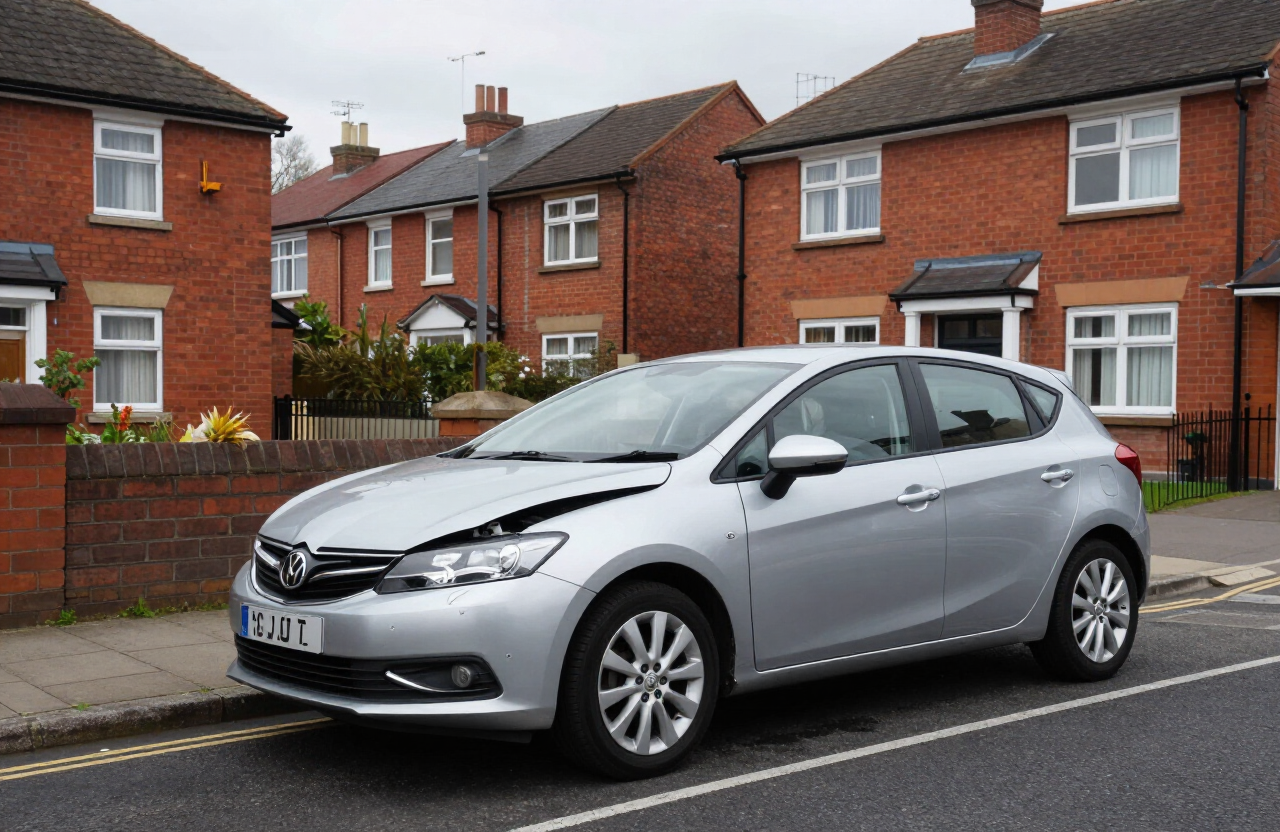
Dented panels, kerbed wheels, cracked bumpers or storm damage. A tidy repair history and a straight shell often matter more than the dent itself.
Sell my damaged carGet a fair UK offer for damaged, faulty, non-running, MOT-failure, accident-damaged, high-mileage, Category N and Category S cars.
Tell us about the car, receive an assessment and arrange collection if you accept the offer.
Start here
Most people contact us at the point where keeping a car stops making sense. The MOT has failed on something expensive, a warning light will not clear, or the vehicle has sat on a drive since last winter and nobody wants to be the one to deal with it.
That does not mean the car is worthless. A vehicle with a failed gearbox still has a sound engine, usable panels, an interior and a set of wheels. A Category N car with cosmetic damage may be a straightforward repair for a trader with the right contacts. A high-mileage diesel with a thick folder of service history is a different proposition from one with no paperwork at all.
Our job is to look past the headline problem and work out what the vehicle is genuinely worth to the people who buy these cars. Sometimes that figure surprises owners. Sometimes it confirms what they suspected. Either way you get a clear number and the reasoning behind it, with no obligation attached.
Condition cards
Pick the description closest to your vehicle. If it sits between two of them, that is normal, and the assessment team will work from the detail you give in the form.
Dented panels, kerbed wheels, cracked bumpers or storm damage. A tidy repair history and a straight shell often matter more than the dent itself.
Sell my damaged carCars that run but are living with a known fault, from a failing clutch to a stubborn electrical gremlin nobody has managed to pin down.
Sell my faulty carVehicles that will not turn over, will not hold charge or have been standing on a drive for months. We assess them where they sit.
Sell my non-running carA failure sheet full of corrosion, emissions or suspension advisories usually costs more to clear than the car is worth to keep.
Sell my MOT failure carPost-collision vehicles, whether an insurance claim was made or not. Tell us which panels moved and whether airbags deployed.
Accident-damaged vehiclesNon-structural write-offs. Many are cosmetically marked but mechanically sound, so they are assessed on repair potential rather than the marker alone.
Category N car buyersStructurally recorded vehicles. We look at where the damage sits, whether it has been repaired and what paperwork exists.
Category S car buyersTwo hundred thousand miles is not automatically the end. Servicing, cambelt work and a clean interior all count towards the assessment.
High-mileage vehiclesHead gasket failures, timing chain rattle, turbo issues or an engine that has lost compression. Diagnosis notes speed things up.
Sell a car with engine problemsSlipping automatics, crunching manuals, worn clutches and boxes that refuse to select. Common faults with well-known repair costs.
Sell a car with gearbox problemsThe assessment
A car valuation based on condition takes a little longer than a registration lookup, but it produces a figure that stands up when the vehicle is actually seen. Four things shape it.
Registration, derivative, engine size and specification. Two cars with the same badge can sit a long way apart once trim and drivetrain are confirmed.
A gearbox that will not select gears is treated differently from a slipping clutch. We look at repair cost against the likely value of the repaired car.
Some models keep strong demand from traders and specialist buyers. That demand feeds directly into the figure we can put forward.
Access, whether the vehicle rolls and steers, and the collection distance all affect the logistics side of the assessment.
Complete the vehicle form or call the team. Registration, postcode and an honest description of the faults are enough to start.
We review the details, check the model against current buyer demand and come back with a considered offer and the reasoning behind it.
If you are happy, we confirm details, book a collection slot that suits you and pay by secure bank transfer once the vehicle is checked.
We do not promise same-day collection everywhere, and we do not release payment before the vehicle has been checked. Being upfront about both saves everyone a difficult conversation on the day. Read more on the Sell My Car page.
Beyond weight
A scrap car offer based purely on metal weight ignores almost everything that makes one vehicle more useful than another. Two cars of identical weight can be worth very different amounts depending on model demand, drivetrain condition and how complete they are.
Because vehicles we buy may be repaired, resold as complete cars, or supplied to motor traders and specialist buyers, the assessment considers repair potential as well as the obvious. A recent cambelt change, four matching tyres, a working infotainment screen or a second key all count for something.
It also means we ask more questions than a weight-based buyer would. That is deliberate. The detail you give in the form is what allows the figure to reflect the car rather than a category.
Read more about how we assess complete vehicles rather than relying on metal weight alone on the Scrap My Car page.
Scope
We assess damaged, faulty, non-running, MOT-failure, accident-damaged and high-mileage cars across the UK. Not every car is something we can help with, and we will tell you honestly if yours is one of them.
We cannot proceed where ownership cannot be evidenced, where a vehicle is subject to an unsettled finance agreement that has not been declared, or where the vehicle turns out to be materially different from the description given.
No buying service accepts every vehicle, and anyone claiming otherwise is not being straight with you. A short phone call is usually enough to establish whether yours fits.
Ask about your vehicleYour offer is built from the car in front of you, not a postcode average. Faults are priced, not guessed at.
If a vehicle is not something we can help with, we will say so early rather than string the conversation out.
An assessment is exactly that. Take a day, get a second opinion, come back later if you want to.
Funds are sent by secure bank transfer once the vehicle has been checked against the details you gave us.
Logistics
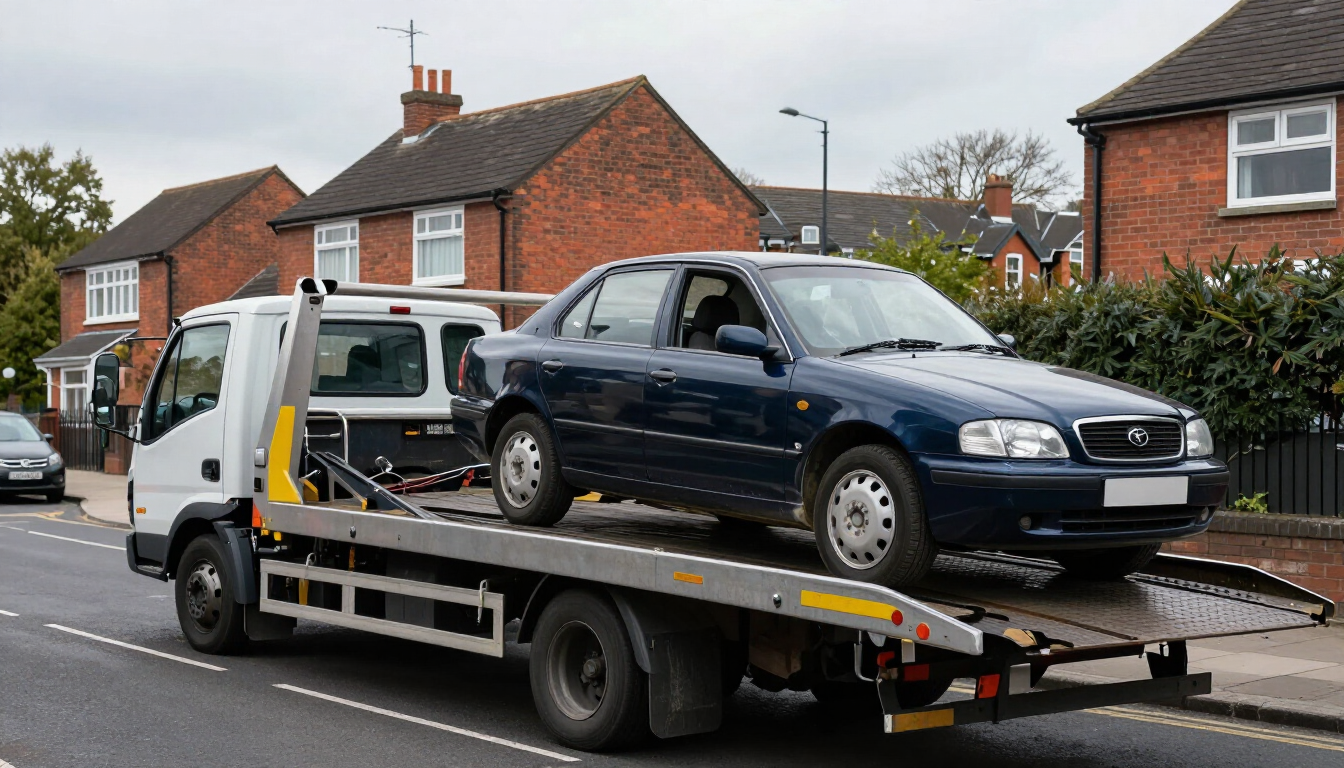
Collection is arranged only after an offer has been accepted, so nobody turns up unannounced. We work with recovery operators across England, Scotland and Wales, and slots are booked at a time that suits the person handing the car over.
Standard collection is normally free. It depends on access, location and the vehicle matching the information you gave us. A car on a level driveway with rolling wheels is straightforward. A vehicle in a basement car park with seized brakes is not, and in those cases we discuss the options before anything is booked.
When ownership changes you should update your DVLA keeper details so the vehicle is no longer registered to you. We will confirm what has been agreed in writing so you have a record of the transaction.
Examples
A sample of the kinds of cars the team can assess. These are illustrative examples rather than published transactions, because two cars with the same badge rarely land in the same place.
2013 Vauxhall Insignia 2.0 CDTi
MOT failure on rear suspension and corrosion, 141,000 miles, driving but smoking under load. A typical repair-versus-scrap assessment.
2016 Ford Focus 1.0 EcoBoost
Overheated and left standing eighteen months, suspected head gasket. A non-running car that would be collected from a garage forecourt.
2015 Volkswagen Golf 1.6 TDI
Category N marker from a rear-end claim, repaired panels, gearbox whine in fifth. Assessed for onward trade-sale potential.
2011 BMW 320d Touring
Automatic gearbox slipping between second and third, 198,000 miles, full service history. A high-mileage car with a known, priced fault.
2014 Nissan Qashqai 1.5 dCi
Front-end accident damage, airbags deployed, starts and idles. Category S recorded, assessed on repair potential.
2009 Honda Jazz 1.4 i-VTEC
Failed MOT on emissions and brake lines, otherwise tidy with two keys. Assessed as a repair project rather than scrap weight.
Questions
The questions the vehicle team is asked most often. If yours is not here, call or send a message and we will answer it directly.
Yes. A large share of the vehicles we assess have not turned a wheel in months. Tell us whether it cranks, clicks or does nothing at all, and whether the wheels still roll and steer, because that changes how the collection is arranged rather than whether we are interested.
We regularly look at cars with head gasket failure, timing chain rattle, turbo problems and loss of compression. If a garage has given you a diagnosis, forward it with the form. A known fault is far easier to price than a vague noise.
Yes. Slipping automatics, crunching manuals, worn clutches and boxes that will not select are all common. The assessment weighs the cost of a replacement or rebuilt unit against what the model is worth once repaired.
You can. Send us the failure sheet if you still have it. Corrosion, emissions and suspension failures often cost more to put right than the car is worth to keep, and that is exactly the point at which people contact us.
Yes. Category N covers non-structural write-offs, and many of them are mechanically sound cars with cosmetic damage. We assess them on what is actually wrong and what the repaired vehicle would be worth, not on the marker alone.
We do. With Category S we need more detail: where the structural damage sits, whether repairs have been carried out and by whom, and whether there is paperwork. Photographs make a real difference here.
Standard collection is normally free. It depends on access, location and the vehicle matching the description you gave us. If a specialist recovery is needed because of a tight driveway, seized wheels or an underground car park, we will tell you before anything is booked.
We combine the confirmed specification, the nature and cost of the faults, current buyer demand for that model, and the practicalities of collecting it. There is no fixed formula and no guaranteed figure, which is why we ask for detail rather than just a registration.
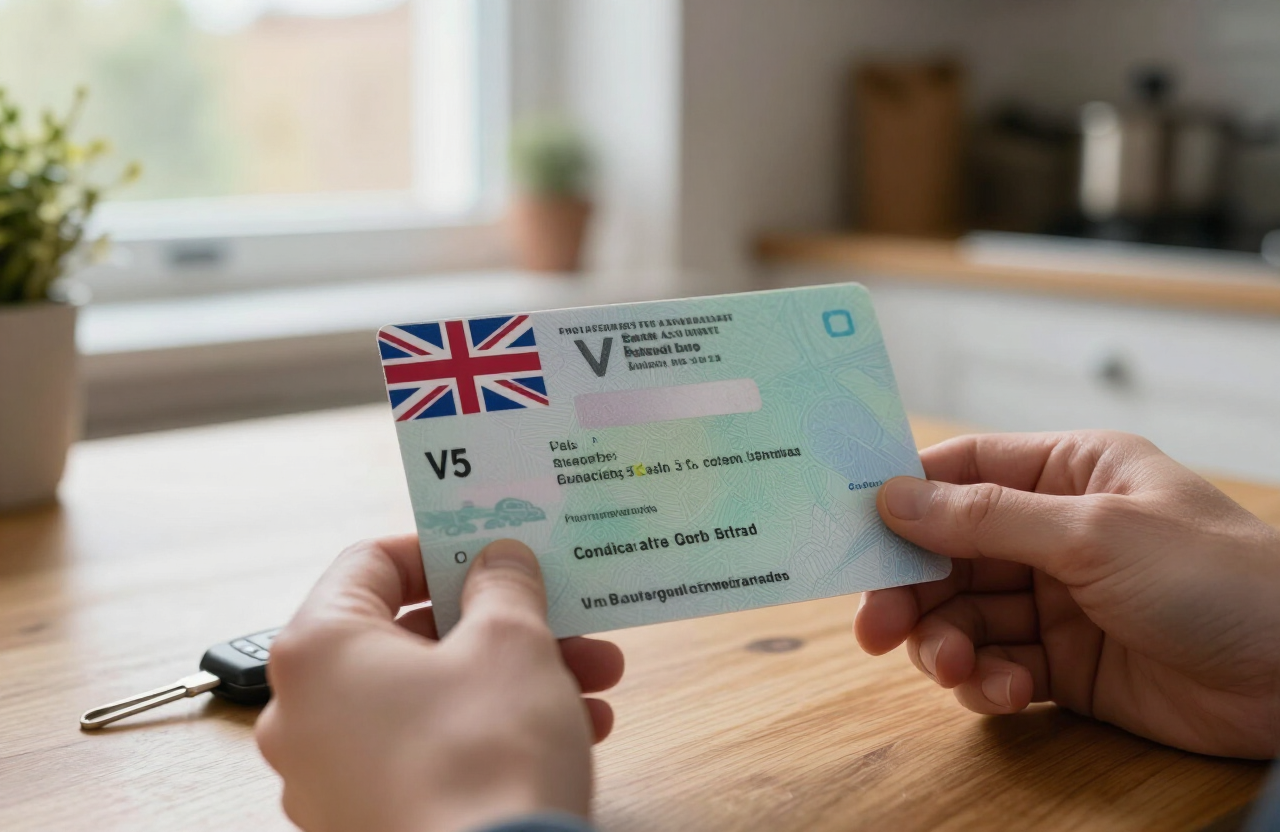
Ideally the V5C logbook in your name, any keys you have, service records and the most recent MOT or failure certificate. Missing paperwork does not automatically stop a sale, but it should be mentioned up front because it can affect the offer.
Payment is made by secure bank transfer. Vehicle details are checked at collection first, so we do not promise money before that check has happened. You will need the account details of the registered keeper or an agreed nominated account.
No. We are not an Authorised Treatment Facility and we do not issue Certificates of Destruction. Vehicles we buy may be repaired, resold complete, or supplied to motor traders and specialist buyers. You should still notify the DVLA that you are no longer the keeper.
No. UK Scrap Car Offer is a vehicle-buying service. We do not run a public scrapyard, we do not dismantle or depollute vehicles, and we do not crush or recycle anything ourselves. Our role is to assess a car, make an offer and arrange collection if you accept it.
Send the registration, postcode and a short description of the faults. You will get a considered assessment rather than a number pulled out of the air.